
What is an employee performance management system?
Employee performance management is a strategic approach to evaluating and enhancing individual performance to unlock their full potential.
by OneAdvanced PR Press Team
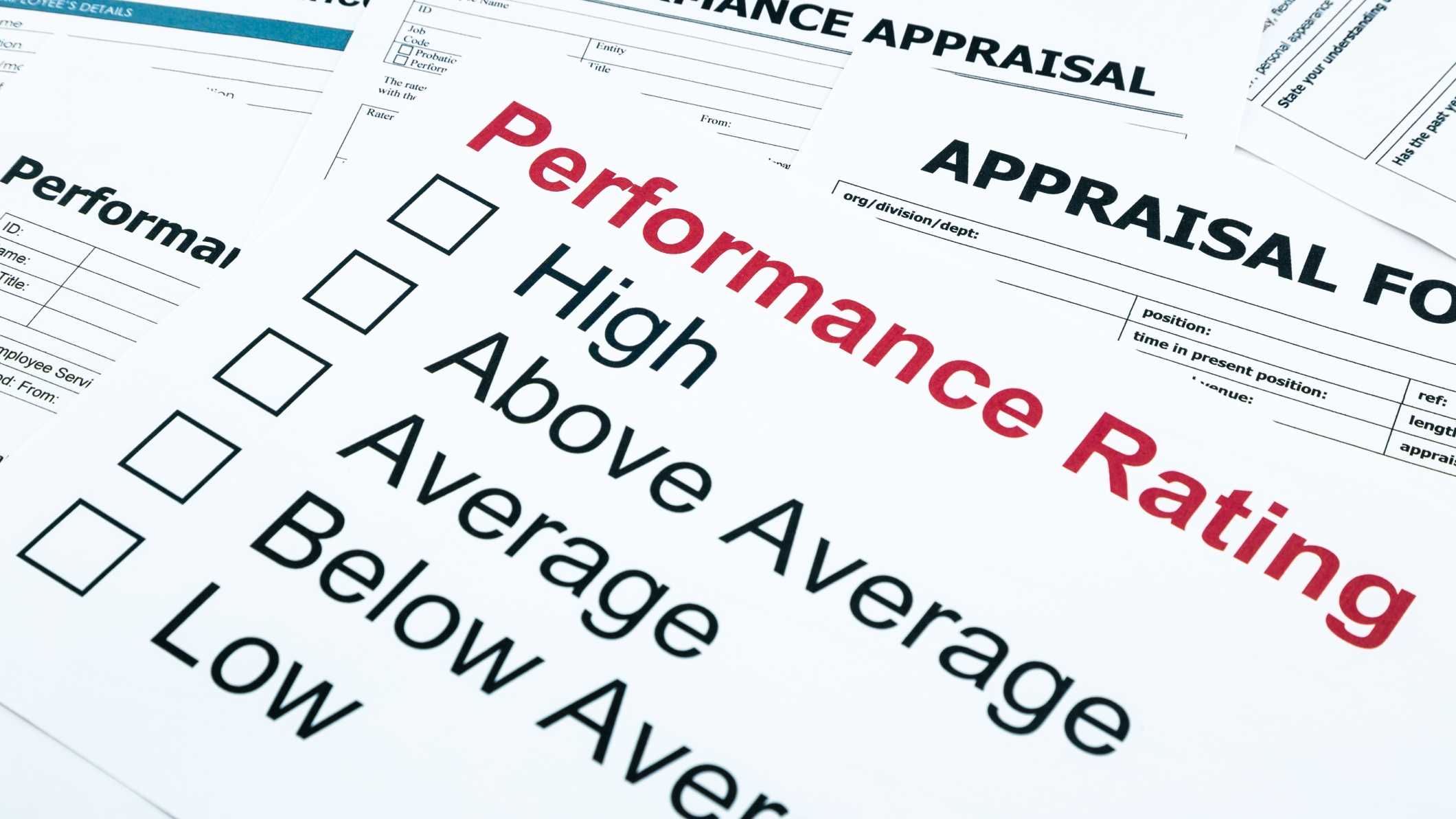
Employee performance management is the ongoing process organisations use to set expectations, review work, support development, and recognise contribution. It helps managers and employees stay aligned on what matters in a role and how that work connects to wider organisational objectives.
In practice, employee performance management provides organisations with a clearer way to manage performance over time. Instead of relying on a single annual review, it creates a structure for goal setting, feedback, performance reviews, and employee development throughout the year.
This matters more now than ever because work has changed. Hybrid teams and the growing use of AI in HR have pushed many organisations towards continuous performance management, where regular check-ins and ongoing feedback play a bigger role in the performance management process.
A strong employee performance management system helps create clear expectations, improve employee performance, and support better business performance. When the process is fair and consistent, it benefits employees as much as the organisation.
What exactly is an employee performance management system?
A performance management system is the structure an organisation uses to consistently manage performance. It may include goal setting, regular performance reviews, performance appraisal records, self-assessments, coaching sessions, and employee development plans.
Some organisations manage this manually. Others use performance management software like our People Management Suite to keep employee goals, performance data, and feedback in one place. The aim is not to make the process more complicated; it is to make it easier to manage employee performance with more consistency and less guesswork.
The best system supports managers rather than replacing them. It should help line managers set clear objectives, monitor progress, document feedback, and respond properly when performance issues come up.
Why employee performance management matters
Employee performance management matters because people work better when they know what is expected of them. Clear objectives help employees focus, understand priorities, and track progress against agreed outcomes.
It also gives managers a practical framework for supporting employee performance. That includes monitoring progress, providing constructive feedback, addressing poor performance early, and creating development plans that support long-term growth.
For the organisation, the value is broader. Effective performance management can improve employee productivity and support better retention. It also helps connect individual objectives to company goals, making the entire management system more meaningful.
How the performance management process works
Most organisations follow a similar employee performance management process. While the details may vary, the core stages are:
- Planning
- Monitoring
- Reviewing
- Developing
- Rewarding
Each stage plays a distinct role in helping employees perform well and helping managers respond when support or intervention is needed.
#1: Plan goals and performance expectations
Planning is where the process begins. Managers and employees set performance goals, agree on clear expectations, and define what success looks like in the role.
This stage matters because unclear goals usually lead to unclear results. If employees do not know what they are working towards, it becomes much harder to assess employee performance fairly.
The SMART framework is useful here because it turns broad intentions into practical goals. For example, “improve customer service” is too vague.
A better goal might be: “Increase customer satisfaction scores from 82% to 88% by the end of Q3 by reducing first-response time to under two hours.”
#2: Monitor performance and progress
Monitoring is the ongoing part of the performance management process. It helps managers and employees understand whether work is on track and whether any performance issues need attention.
This can include reviewing progress against key performance indicators, looking at service or delivery measures, or discussing blockers during regular check-ins. The point is not constant surveillance; it is to create enough visibility to support better decisions and more useful feedback.
A simple question can help here: “What is helping or getting in the way of progress this month?” That keeps the conversation focused and practical.
#3: Review performance fairly
Reviewing employee performance means assessing results against agreed goals and expectations. This may happen in regular performance reviews, as part of annual appraisals, or through a mix of formal and informal review points.
A good performance appraisal should do more than look backwards. It should recognise progress, identify areas for improvement, and set direction for what comes next. That makes the review more useful for both the employee and the manager.
To make reviews fairer, organisations often include self-assessments and documented evidence rather than relying only on memory or opinion.
#4: Develop skills and capability
Development is what turns performance management into something more useful than measurement alone. It focuses on helping employees build skills, improve confidence, and prepare for future responsibilities.
That may involve coaching sessions, mentoring, workshops, or employee development plans linked to professional development and career development. It can also include support for underperforming employees where the issue is capability rather than effort.
This part of the process should be practical. Development plans need to reflect real job requirements and realistic goals, not generic aspirations.
#5: Reward contribution fairly
Rewarding contributions helps reinforce what good performance looks like. It can include formal rewards such as promotions or pay decisions, as well as informal recognition delivered in day-to-day work.
What matters most is fairness. Employees need to understand how reward decisions are made and how they relate to performance expectations and contributions. When recognition feels earned and consistent, it can strengthen motivation. When it feels unclear, it can weaken trust in the wider performance management system.
Good vs poor performance goals
One of the simplest ways to improve staff performance management is to write better goals. Clear goals make it easier to manage performance, provide feedback, and monitor progress.
Here are a few examples.
|
Poor goal |
Better goal |
|
“Improve project management.” |
“Deliver 95% of client projects on time in Q2 while keeping budget variance within 3%.” |
|
“Communicate better with stakeholders.” |
“Send weekly project updates every Friday and achieve an average stakeholder satisfaction score of 8 out of 10 by the end of the quarter.” |
|
“Increase sales.” |
“Generate 20 qualified opportunities per month and lift conversion rate from 14% to 18% by 30 September.” |
The stronger versions work because they are measurable, specific and easier to track in a performance management system.
Best practices for effective performance management
#1: Make it continuous
Continuous performance management replaces long gaps between conversations with shorter, more regular touchpoints. This can mean monthly one-to-ones, quarterly reviews, and timely feedback after key projects or milestones.
This approach helps managers and employees stay connected to priorities and adjust faster when circumstances change. It also reduces the pressure that often builds around annual appraisals.
#2: Train managers properly
Training managers is essential. Many performance issues stem from poor goal setting, vague feedback, inconsistent follow-through, or discomfort with difficult conversations.
Managers need support in setting objectives, giving constructive feedback, handling poor performance fairly, and using performance data with confidence.
#3: Use data carefully
Performance metrics and real-time data can improve visibility, but they should support judgment rather than replace it. Context matters. Numbers are useful, but they do not always explain why someone is succeeding or struggling.
The goal is to use data to improve conversations, not turn performance management into a purely administrative exercise.
#4: Align individual work to bigger goals
Employees are more engaged when they can see how their work contributes to company goals and organisational objectives. A good performance management process makes that connection visible.
When people understand why their work matters, they are more likely to stay motivated and take ownership of results.
#5: Balance accountability with development
A strong performance management process should help organisations manage employee performance while also supporting growth. Too much focus on compliance can make the process feel punitive. Too little accountability can make it vague and ineffective.
The best systems combine clear objectives, regular feedback, development plans, and fair follow-through.
Case studies of effective performance management in play
Key learnings from these examples
Across these examples, the same lessons appear repeatedly:
- Short-term goal setting improves focus
- Regular check-ins support agility
- Development discussions are more useful than review-only cycles
- Centralised systems can improve consistency
- Flexible processes often work better than fixed annual events
These lessons are relevant well beyond the organisations featured. They point to a wider shift in how businesses manage employee performance today.
Why effective employee performance management supports business success
Effective employee performance management helps organisations get more from their people in a way that is structured, fair, and sustainable. It supports better day-to-day performance, but its impact goes further than that.
It improves employee productivity
When employees have clear expectations and measurable goals, they can focus on the work that matters most. Managers can also step in earlier when progress stalls, which helps improve employee performance before issues grow.
It strengthens employee engagement
Regular performance reviews, ongoing feedback, and development discussions help employees feel seen and supported. That usually leads to stronger employee engagement and a better employee experience.
It supports retention and career growth
Employees are more likely to stay when they can see a future in the organisation. A strong performance management process creates space for career development, employee development plans, and honest conversations about growth.
It helps address poor performance earlier
Poor performance is easier to manage when managers are monitoring progress and documenting feedback over time. This makes it easier to support underperforming employees and use performance improvement plans where needed.
It improves alignment with company goals
A good employee performance management system links individual objectives to organisational goals. That connection helps employees understand how their work contributes to business performance.
It supports better people decisions
Performance data can support promotion decisions, succession planning, and development planning. When used properly, it gives leaders a stronger basis for important decisions across the business.
Common challenges in employee performance management
Even well-designed systems can fall short if the process is unclear or applied inconsistently. In most cases, the challenge is not the idea of performance management. It is how well the process is carried out in practice.
Unclear expectations
Employees cannot perform well if they do not know what success looks like. Vague goals, shifting priorities, or poorly defined job requirements can all make performance harder to manage.
Inconsistent feedback
When feedback only happens during an annual review, small issues can go unaddressed for too long. Employees may also miss the chance to build on good work while it is still fresh.
Bias in performance reviews
Performance appraisal processes can lose credibility when they rely too heavily on opinion or memory. That can affect trust, recognition, and access to development opportunities.
Too little focus on development
Some organisations put all their energy into measuring past performance and not enough into helping employees grow. This can make the process feel punitive instead of useful.
Weak connection to organisational goals
If employee objectives feel disconnected from wider business priorities, motivation often drops. People are more engaged when they can see how their work fits into the bigger picture.
Manager capability gaps
Line managers play a major role in the performance management process, but not all managers are trained to set goals, give constructive feedback, or manage performance issues well. That can create inconsistency across teams.
How to overcome these challenges
Most performance management challenges can be improved with clearer structure, better manager support, and more regular communication. The aim is to make the process easier to follow and more useful for employees and managers alike.
Set clear objectives from the start
Use realistic goals and define what success looks like early. Employees should understand their performance expectations, how progress will be measured, and how their work connects to company goals.
Build a regular feedback rhythm
Do not save feedback for annual appraisals. Regular check-ins, short review conversations, and timely coaching sessions make it easier to manage employee performance throughout the year.
Train managers properly
Managers need support to lead performance conversations well. Training managers in goal setting, providing feedback, handling poor performance, and running development discussions can lift the quality of the whole system.
Use evidence, not opinion
Performance reviews should be supported by documented examples, agreed performance metrics, and relevant performance data. This helps reduce bias and makes it easier to justify decisions.
Make development part of the process
Employee development should not sit outside the performance management process. Build development plans into review conversations so employees have a clear path to improve performance and build capability.
Use technology to support consistency
Performance management software can help organisations track employee goals, regular performance reviews, feedback, and development plans in one place. The software should support better conversations, not replace them.
Make performance management part of everyday work
Effective employee performance management works best when it becomes part of how the organisation operates, not just something revisited during an annual review.
When expectations are clear, feedback is timely, and development stays active, organisations are better placed to improve employee performance, build engagement, and support stronger business results.
The most effective approach is one that stays practical. It should help managers manage performance with confidence, give employees a clearer path to growth, and create a more consistent experience across the business.
For organisations looking to strengthen that approach, OneAdvanced’s People Management suite brings together tools for performance, HR, payroll, workforce management and employee workflows in one place. It is designed to help teams align goals with business objectives, reduce admin, and support more informed people decisions.
If you are reviewing your current employee performance management system, exploring the OneAdvanced People Management suite is a useful next step!
FAQs
What is the role of managers in employee performance management?
Managers help set clear expectations, agree on employee objectives, monitor progress, provide constructive feedback, run regular performance reviews, and support employee development. They also need to address performance issues early and fairly.
What is the role of employees in performance management?
Employees contribute by taking part in goal setting, sharing updates, joining performance reviews, completing self-assessments where needed, and acting on feedback. Strong performance management is a shared responsibility.
How often should performance reviews happen?
There is no single rule, but most organisations benefit from combining regular check-ins with more formal review points. Monthly one-to-ones, quarterly reviews and an annual review often provide a good balance.
What are the best practices for continuous performance management?
Best practices include setting clear objectives, providing ongoing feedback, using relevant performance metrics, training managers, documenting progress, and linking individual goals to organisational goals.
What causes underperformance in employees?
Underperformance can be caused by unclear expectations, low motivation, capability gaps, poor onboarding, personal challenges, or weak management support. The right response depends on identifying the cause early.
How do performance improvement plans fit into the process?
Performance improvement plans are formal, time-bound plans used when an employee is not meeting expectations. They should outline the issue, define realistic goals, explain support available, and show how progress will be monitored.
About the author
OneAdvanced PR
Press Team
Our dedicated press team is committed to delivering thought leadership, insightful market analysis, and timely updates to keep you informed. We uncover trends, share expert perspectives, and provide in-depth commentary on the latest developments for the sectors that we serve. Whether it’s breaking news, comprehensive reports, or forward-thinking strategies, our goal is to provide valuable insights that inform, inspire, and help you stay ahead in a rapidly evolving landscape.
Contact our sales and support teams. We're here to help.
Speak to our expert consultants for personalised advice and recommendations or to book a demo.
Call us on
1300 884 831Please enter your details, and our team will contact you shortly.
All fields are required
From simple case logging through to live chat, find the solution you need, faster.
Support centre