
LGP describes strategic partnership and strong results with OneAdvanced.
"We shared the same vision, solving a real problem for the benefit of local government and the communities"

Client:Local Government Procurement
Sector:Government
Location:Australia
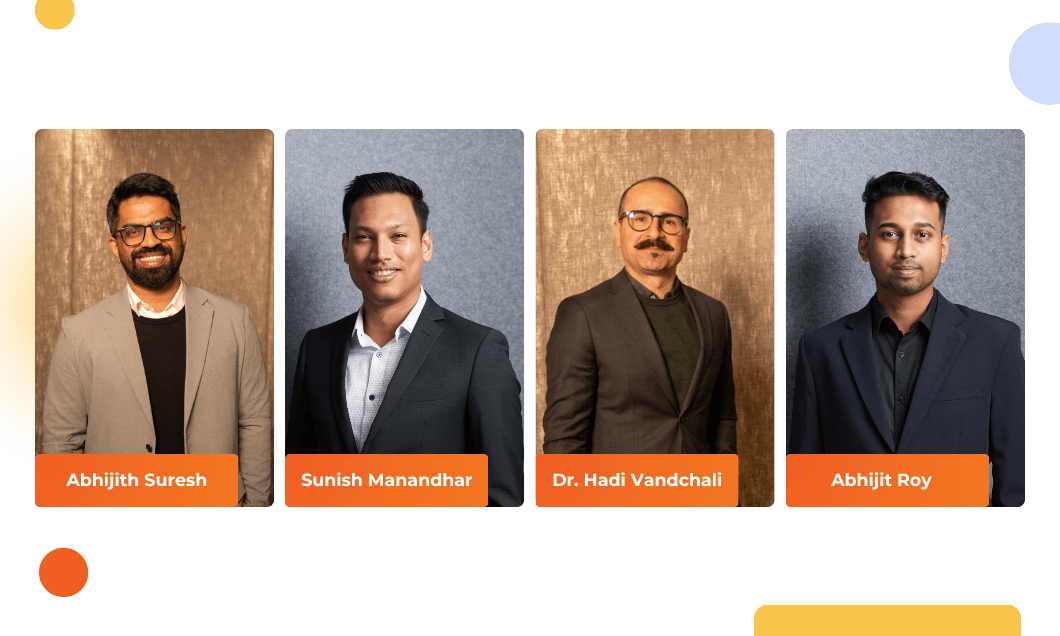
Background
Local Government Procurement (LGP) is a leading procurement organisation supporting all 128 councils across NSW. As a prescribed entity under Section 55 of the Local Government Act 1993 (NSW), councils using LGP contracts do not have to go to tender for values above the tendering threshold, helping them save time, reduce administrative effort and access suppliers through a compliant procurement pathway.
Sponsored by the Director of Strategic Procurement Solutions (SPS), the SPS team has completed the first phase of a circular-economy supplier assessment program using OneAdvanced Source-to-Contract. The program evaluates supplier circular economy capabilities and integrates the results into procurement, supplier and contract management processes.
Within LGP, the SPS and Sustainable Choice teams help councils make responsible procurement decisions as sustainability, ESG and circular economy requirements become increasingly important to local government.
However, gaining visibility of suppliers that may offer circular economy solutions has not always been easy. Councils are increasingly interested in circular procurement but often face challenges in quickly identifying suppliers whose offerings align with their sustainability and circular economy objectives.
“Councils are looking to incorporate circular economy principles into their procurement processes but identifying suppliers that provide circular solutions across the wide range of categories councils purchase from can be a very time-consuming task,” said Dr Hadi Vandchali, Consultant, ESG and Procurement Services at LGP.
What LGP needed
LGP had previously used SurveyMonkey to conduct circular economy supplier assessments. While this enabled the organisation to collect supplier responses, the process was disconnected from supplier and contract records.
The survey responses sat outside LGP’s contract management ecosystem, creating data silos and requiring manual administration. The team had to download responses, map them against supplier records, cross-check information and consolidate data, which increased inefficiency and the risk of data mismatches.
The process also limited visibility. Tracking progress, following up with suppliers, validating claims and producing meaningful reports required manual effort. Supporting documentation, such as environmental certifications, could not be easily linked to each supplier’s record.
LGP needed more than a digitised survey. It wanted ESG assessment capabilities built into supplier and contract management so the data could become part of a supplier’s profile and provide ongoing value to councils. The aim was to create a single source of truth that would help councils identify suppliers offering verified circular economy products, services and solutions.
“The outcome of this assessment helps councils identify suppliers that can support them in achieving their sustainability objectives without requiring them to conduct detailed assessments themselves,” said Dr Vandchali.

Finding a solution
LGP was already using OneAdvanced Source-to-Contract to support supplier and contract management. Rather than continue with a separate survey tool, the LGP team explored whether the circular economy assessment could be delivered through the OneAdvanced platform.
This connected supplier assessments to existing supplier records, contract panels and reporting capabilities, helping LGP move from a disconnected survey process to an integrated procurement capability.
OneAdvanced worked with LGP to adapt the existing assessment capabilities within its Source-to-Contract platform. The project involved mapping supplier and contract data, building the assessment process and creating dashboard reporting so LGP could track responses, review evidence and identify suppliers with circular economy capabilities.
Abhijit Roy, IT Business Analyst at OneAdvanced, said: “By leveraging the rich supplier and contract data already held within the platform, we were able to build an integrated assessment and reporting framework that gives LGP and councils far greater visibility into supplier sustainability capabilities. The ability to combine supplier assessments, supporting evidence and dashboard reporting within a single environment has created a scalable foundation that can support future ESG initiatives.”
Implementation
The circular economy assessment was launched to more than 1,000 suppliers across LGP contract panels. Supplier participation was voluntary but strongly encouraged. LGP positioned the assessment as an opportunity for suppliers to showcase sustainability initiatives and circular-economy products and services, and to differentiate themselves within the LGP network.
The rollout required a careful change management process because suppliers were accustomed to receiving SurveyMonkey links and were now being asked to respond through a system-driven response. LGP communicated before the launch, explaining the change, its benefits and the process.
Suppliers could view the assessment questions in one place, provide responses, add comments, request extensions and upload supporting evidence. Suppliers that successfully demonstrate their circular economy capabilities receive filter tags within the system, enabling councils to quickly identify suppliers that can support sustainability and ESG objectives.
Realising the benefits
The first phase delivered strong engagement. More than 1,000 suppliers across LGP contract panels were invited to participate, with more than 600 responses received by the deadline, approximately double the participation achieved through the previous assessment process.
For LGP, one of the most significant benefits was the move to a single source of truth. Instead of manually downloading survey responses, matching them to supplier records and creating separate reports, the team can now review assessment responses, supplier data, contract information and supporting documents in a single environment.
Abhijith Suresh, Sustainable Procurement Analyst at LGP, said the new approach has improved data quality, reporting and supplier engagement. “Previously, supplier responses were captured separately from supplier records, creating a time-consuming process involving manual data consolidation, validation and reporting. By bringing everything into a single source of truth, we have moved from a reactive process to a proactive capability. We can now analyse supplier performance, sustainability credentials and supporting evidence from one location and generate insights far more efficiently.”
The integrated dashboard gives LGP more flexibility in how it analyses supplier information. The team can drill down into specific contract panels, review supplier responses by category and identify suppliers that can support circular economy outcomes. This panel-level visibility is important because circular economy opportunities vary across supplier categories, including civil works, playground equipment, waste management and other council services.
The solution also allows multiple LGP teams to access supplier sustainability data alongside procurement, performance and contract information, creating a more complete supplier view.
Evidence-based supplier assessment
A major benefit of the new assessment process is the ability to link supplier responses with supporting documentation. Previously, sustainability claims relied more heavily on supplier self-declaration. LGP still reviewed responses and performed due diligence, but evidence was harder to manage and connect to supplier records.
With the OneAdvanced platform, suppliers can upload documentation directly as part of the assessment process, including environmental certifications, accreditations, reports and other evidence. This provides LGP and councils with greater visibility of suppliers' circular economy initiatives and capabilities, supports a more informed assessment process, and improves transparency when identifying suppliers that may be able to contribute to circular procurement outcomes.
“Through this partnership with OneAdvanced, we have transformed a manual sustainability assessment into a strategic, data-driven capability that helps councils make more informed procurement decisions. The teams from both organisations worked extremely well because we shared the same vision, solving a real problem for the benefit of local government and the communities,” said Dr Vandchali.
The partnership with OneAdvanced
LGP described the working relationship with OneAdvanced as collaborative, transparent, and solution-focused. The project required both teams to work through data mapping, supplier records, system configuration, assessment design and dashboard reporting. Throughout the process, OneAdvanced worked closely with LGP to understand the requirements and shape a solution that would meet both immediate and future needs.
Adam Bowles, Country Director for Australia for OneAdvanced, said the project demonstrates the value of embedding sustainability into core procurement processes. “This partnership with LGP demonstrates the value of integrating sustainability objectives directly into procurement processes rather than treating ESG reporting as a standalone activity. As local councils face increasing expectations around sustainability reporting and supplier governance, providing structured, scalable and evidence-based supplier assessment capabilities will become increasingly important.”
Dr Vandchali said OneAdvanced’s willingness to explore new ideas was an important factor in the project’s success. He said: “To me, OneAdvanced's role went beyond that of a software provider. It felt more like a strategic partnership where both organisations were committed to finding practical solutions and creating long-term value. Honestly, without that strong relationship and willingness to collaborate, I don't think we would have achieved the outcome we have today.”
Looking forward
The success of the circular economy assessment has created a roadmap for future collaboration between LGP and OneAdvanced. Future phases are expected to expand into other ESG areas, including social procurement, Indigenous supplier engagement, modern slavery, carbon emissions and broader sustainability reporting requirements.
The circular economy assessment has established the foundation for a broader ESG procurement capability. It gives LGP the ability to collect supplier information, validate evidence, report insights and help councils make more informed decisions. For suppliers, it provides an opportunity to demonstrate circular economy capabilities and be recognised within the LGP network.
Dr Vandchali said the project demonstrated the importance of integration. He said: “The focus should not simply be on digitising an existing process. The real value comes from integrating ESG requirements into procurement, contract management and reporting. This is the part where collaboration with a strong solution provider really makes a difference; it shifts the mindset from simply digitising to building a solution that delivers value. I strongly believe initiatives like this can help protect the environment, reduce the pressure on landfill and make better use of resources, ultimately creating a more sustainable future and a better planet for future generations.”
Key benefits of the integrated supplier assessment
- A single source of truth for supplier circular economy assessment data
- Improved visibility of verified sustainable suppliers for NSW councils
- More than 600 supplier responses received by the deadline, approximately double the previous assessment process
- Reduced manual administration, data consolidation and reporting effort
- Improved ability to link supplier responses with supporting evidence
- Circular economy filter tags that help councils identify relevant suppliers
- Greater panel-specific reporting and supplier analysis
- A scalable foundation for future ESG assessment categories.
Let's talk about how we can help you
See how our solutions can power your organisation
Contact our sales and support teams. We're here to help.
Speak to our expert consultants for personalised advice and recommendations or to book a demo.
Call us on
1300 884 831Please enter your details, and our team will contact you shortly.
All fields are required
From simple case logging through to live chat, find the solution you need, faster.
Support centre