
LGR pause: What next for local authorities?
LGR has been put on hold. Learn why maintaining momentum on transformation, efficiency and service improvement matters more than ever while councils await greater clarity on what comes next.
by OneAdvanced PR Press Team
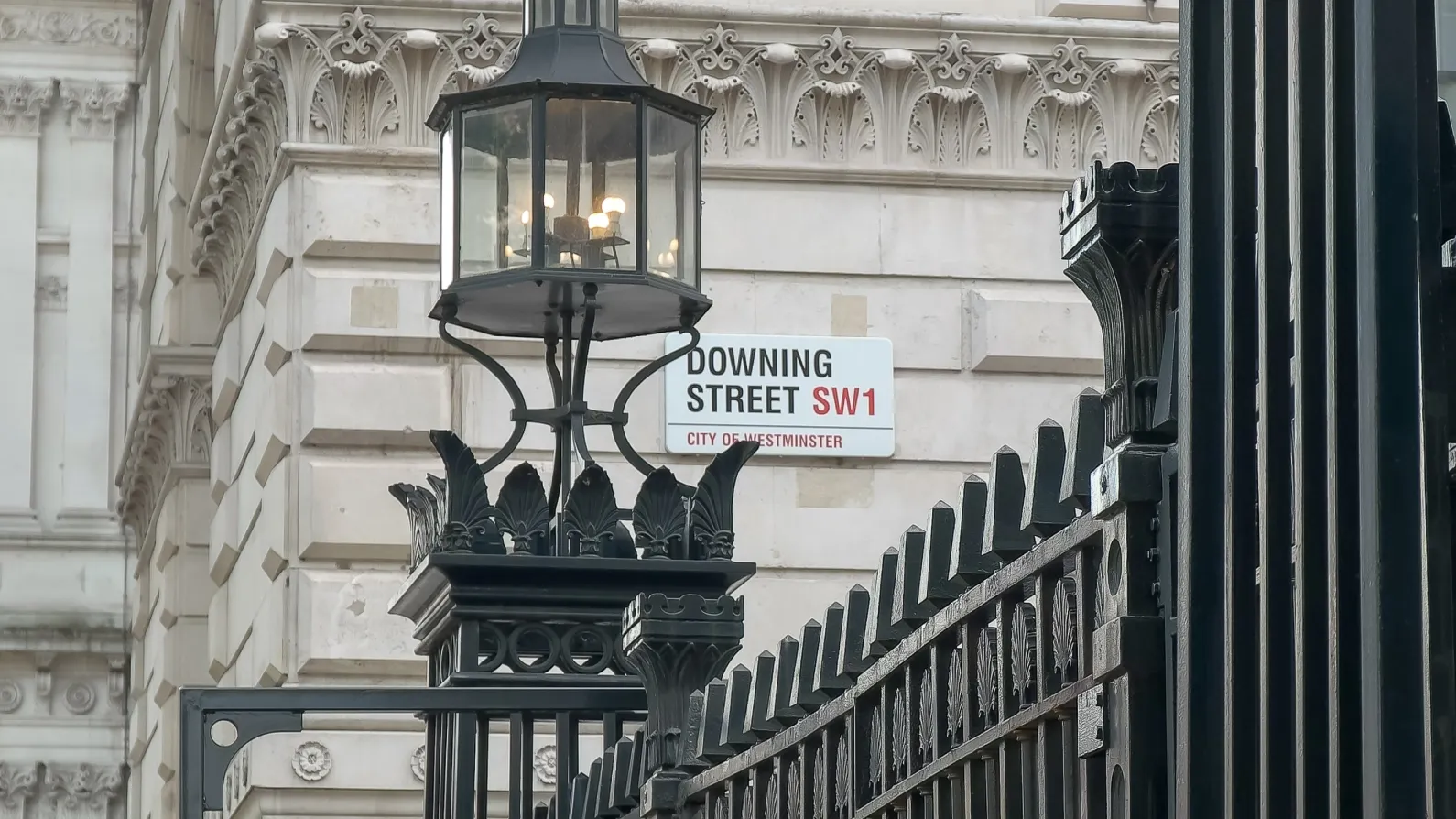
With the announcement that Local Government Reorganisation (LGR) has been put on hold, councils are reassessing their plans and priorities. In this article, we look at what has happened, what could happen next, and what the delay means for local authorities as they balance future structural change with the need to modernise.
What has happened, exactly?
Local Government Reorganisation was formally paused on 7 September 2026 when the government announced a review of the programme following updated legal advice and a number of legal challenges from affected councils. As part of the announcement, previous reorganisation decisions affecting Essex, Hampshire, Norfolk and Suffolk were withdrawn, while decisions covering a further 14 areas were paused pending review.
The announcement has created uncertainty for councils after months of investing significant time and resources in preparing for structural change. Responding to the decision, the Local Government Association (LGA) said that councils had invested "scarce public money and countless hours" into preparing for reorganisation and "need certainty to plan how to deliver vital services to residents and meet demand pressures".
Why has LGR been put on pause?
The immediate trigger appears to be a combination of legal challenges and wider questions about how the programme is being delivered. Several councils had already launched or were considering legal action, prompting ministers to review whether previous decisions were sufficiently robust.
There is also a broader policy context. Alongside LGR, the government is pursuing an ambitious programme of English devolution designed to give regions greater control over areas such as economic development, transport, skills and public services. The government has made clear its ambition to extend devolution across England and strengthen strategic authorities.
While the government has described this as a pause rather than a cancellation, there is growing speculation that devolution could become the more immediate priority, with council reorganisation progressing on a revised timetable.
What is the most likely outcome?
The longer-term objective of creating more unitary authorities and simplifying local government structures remains unchanged.
Based on what we know so far, the most likely scenario is that:
- Reorganisation proposals are reviewed and, in some cases, revised
- Local elections proceed on current council boundaries
- Devolution becomes the primary focus in the short term
- LGR remains part of the government's longer-term plans
Taken together, these likely outcomes leave councils waiting for greater clarity on what happens next. At the moment, there is little certainty around timelines or next steps. What is clear, however, is the need for continuity. Service improvements still need to be delivered, technology roadmaps still need to be progressed and efficiency programmes still need to generate results.
For many authorities, that places a greater focus on transformation and modernisation programmes that are already underway. The challenge now is maintaining momentum while adapting to a more uncertain path towards reorganisation.
What have sector bodies said about the pause?
The decision has prompted a strong reaction across local government, with many sector bodies recognising both the uncertainty created by the pause and the significant amount of work already undertaken by councils.
The Chartered Institute of Public Finance and Accountancy (CIPFA), which represents finance professionals working across the public sector, said the decision would create significant uncertainty for many authorities. CIPFA chief executive Owen Mapley noted that councils would be concerned about the time and money already invested in preparing for reorganisation.
Similar concerns have been raised by the Local Councils Network (LCN). Its chair, Richard Wright, said councils had been "working flat-out" on reorganisation plans and warned that many authorities would view the pause as a change in direction midway through the process. He also highlighted concerns that significant time and resources had already been committed, leaving councils questioning what happens next.
One of the more positive responses has come from Socitm, the professional body for digital, data and technology professionals working across public services. In a statement to members, the organisation acknowledged the frustration many councils may feel but argued that the work already undertaken still has value regardless of the eventual timetable for reorganisation.
Socitm highlighted that councils have used the prospect of reorganisation to build stronger relationships, better understand their operating environments and identify opportunities to deliver more sustainable public services. Importantly, it urged councils not to lose sight of the progress already made.
Taken together, these responses highlight a common theme. While views differ on the future direction of LGR, there is broad agreement that the work already undertaken should not be considered wasted. The relationships built, lessons learned and opportunities identified through the process remain valuable whether reorganisation happens sooner, later or in a revised form.
What does the LGR pause mean for technology and transformation?
For councils that have already started updating their technology, the pause should not be seen as a reason to stop.
One of the strongest themes emerging from the sector's response has been the importance of ensuring the work already undertaken continues to deliver value. That applies just as much to technology and transformation programmes as it does to wider reorganisation planning.
Many authorities have spent the last few years replacing ageing on-premise systems with cloud-based platforms across finance, procurement, HR, payroll and citizen services. While some of these programmes may have been accelerated by the drive towards reorganisation, their primary purpose has always been to help councils work more efficiently, improve reporting and deliver better services.
Those objectives have not changed because LGR has been delayed.
Delivering value during uncertainty
The pause may have changed the timetable, but it has not changed the need to identify efficiencies and reduce costs wherever possible. If anything, that need is now even greater. Councils will now remain in their current structures for longer than expected, while still being asked to improve productivity, respond to growing service demand and do more with limited resources.
Cloud-based platforms can play a major role in helping authorities achieve those goals. Moving away from on-premise systems can reduce technical debt, remove the costs associated with maintaining ageing infrastructure and lessen the reliance on specialist technical skills. SaaS solutions further strengthen the case for cloud adoption by providing greater cost certainty through predictable subscription models, helping councils plan more effectively during a period of uncertainty. They also make future integration activity significantly easier, creating a stronger foundation for the next phase of local government reform.
The same principle applies across key functions such as finance, procurement, HR and payroll. Solutions that simplify processes, improve access to information and reduce administrative overhead can deliver benefits today while creating a stronger foundation for future organisational change.
Technology and automation can also help reduce the administrative burden on already stretched teams. Whether that is through a complete source-to-contract procurement solution that simplifies purchasing processes or Agentic AI capabilities embedded within finance tools, technology can help automate routine tasks, speed up more complex processes and free employees to focus on higher-value work.
Putting people at the heart of transformation
Successful transformation is not only about technology. It is about people. Whether councils are preparing for devolution, future reorganisation or simply trying to improve day-to-day services, workforce engagement, capability and culture remain critical to employee outcomes.
Technology should therefore be viewed as an enabler rather than an end in itself. The most successful organisations are often those that combine modern systems with clear objectives, strong leadership and a focus on helping people work more effectively.
Performance management is a good example of this. The latest performance management platforms provide a continuous approach to performance, helping organisations align individual roles with wider objectives while creating more opportunities for regular feedback, recognition and development. This helps employees better understand their contribution, stay focused on priorities and play a more active role in delivering organisational goals.
Preparing for a more connected future
If devolution becomes the government's immediate priority, councils will need to work more closely with regional bodies and neighbouring authorities, placing greater emphasis on how information is shared, how performance is measured and whether existing systems can support more joined-up ways of working.
As organisations become more connected, employees need access to tools that help them work across teams, departments and organisational boundaries without adding complexity. The latest solutions embed intelligence directly into the flow of work, helping employees complete routine tasks more quickly, navigate complex processes and access the information they need without switching between multiple systems.
The result is not just improved productivity, but a more consistent experience for teams. As councils adapt to new structures, partnerships and ways of working, technologies that simplify processes and remove friction from everyday tasks will play an important role in supporting that transition.
The risk for councils is not that they continue modernising and LGR takes longer than expected. The greater risk is allowing uncertainty around reorganisation to slow down projects that could already be improving services, supporting staff and delivering efficiencies today.
What next?
While LGR may be on hold, the government's overall ambitions around devolution and reorganisation remain unchanged. Devolution is likely to become the immediate focus, while Local Government Reorganisation continues on a longer timetable.
For council leaders, the priority is to remain flexible, stay engaged with emerging devolution plans and continue investing in the capabilities needed to improve services and support long-term resilience.
While government reviews the future of LGR and focuses on devolution, councils must continue addressing day-to-day challenges, from improving services and supporting their workforce to doing more with limited resources. Modernising systems and ways of working can help authorities meet those challenges while remaining prepared for future change.
Find out more
Our dedicated LGR hub contains practical guidance, expert insights and resources to help local authorities modernise systems, improve efficiency and support long-term transformation.
About the author
OneAdvanced PR
Press Team
Our dedicated press team is committed to delivering thought leadership, insightful market analysis, and timely updates to keep you informed. We uncover trends, share expert perspectives, and provide in-depth commentary on the latest developments for the sectors that we serve. Whether it’s breaking news, comprehensive reports, or forward-thinking strategies, our goal is to provide valuable insights that inform, inspire, and help you stay ahead in a rapidly evolving landscape.
Contact our sales and support teams. We're here to help.
Speak to our expert consultants for personalised advice and recommendations or to book a demo.
Call us on
0330 343 4000Please enter your details, and our team will contact you shortly.
All fields are required
From simple case logging through to live chat, find the solution you need, faster.
Support centre