
Streamline your supply chain with logistics automation
In an industry where margins are notoriously thin and just-in-time is a standard practice; UK logistics is reaching something of a digital crossroads.
by Adrian West VP of Retail, Wholesale, Logistics & Manufacturing
To remain competitive, businesses in this sector are moving beyond simple digitisation towards a more robust, integrated approach to efficiency. Central to this evolution is logistics automation; a strategic necessity for any organisation looking to outpace market volatility and meet the heightening expectations of the modern consumer.
What is logistics automation?
Logistics automation is the use of technology to execute, manage and optimise supply chain tasks (from warehousing and inventory to transportation and order fulfilment) with minimal manual intervention.
It is not simply a tool for cutting headcount; it is a strategic capability that enables businesses to scale operations, respond to demand shifts, and build supply chain resilience. To understand its impact, we must look at the two primary forms it takes:
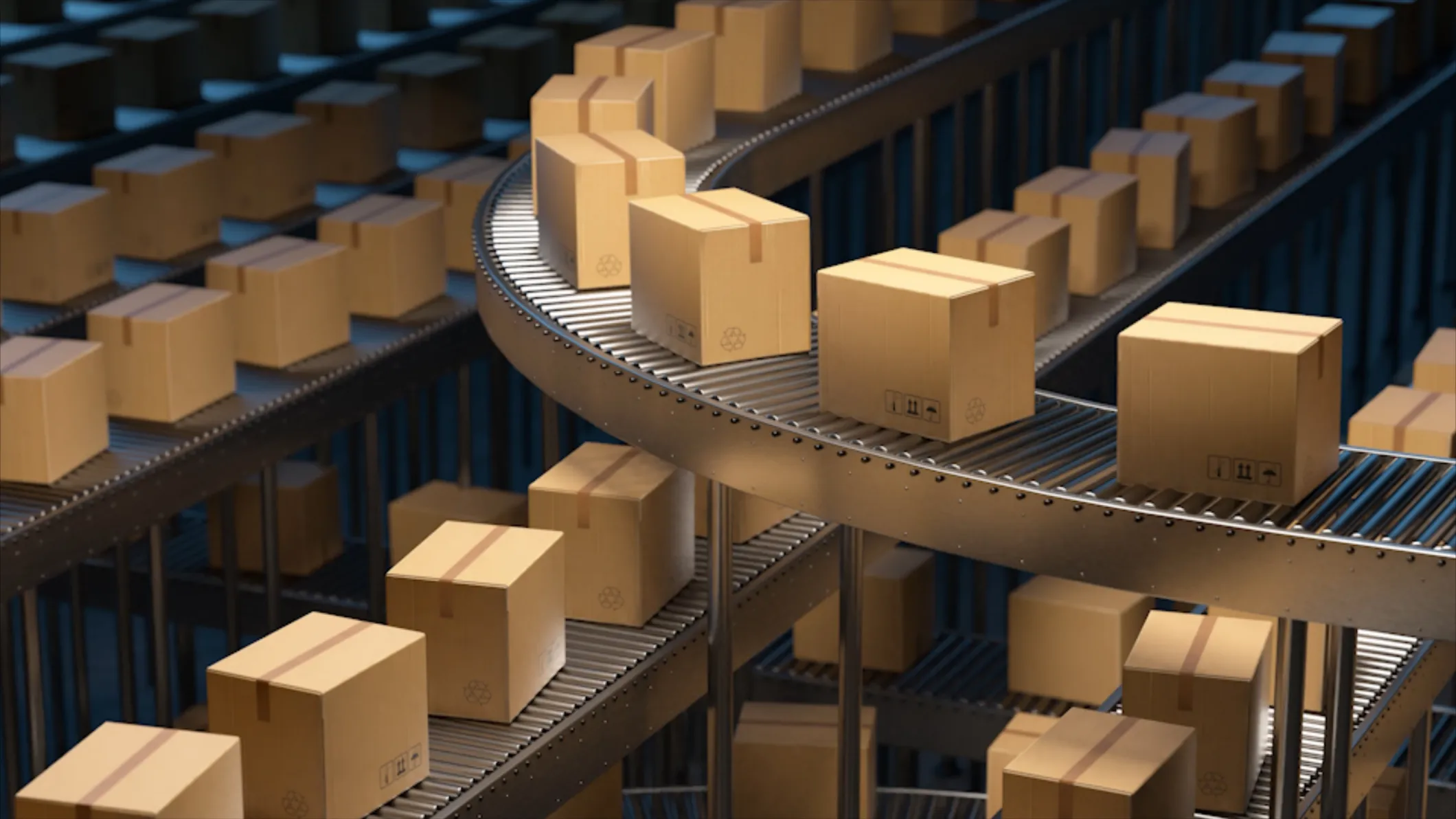
- Physical automation: This involves the heavy lifting hardware, such as robotics, conveyor systems, and Automated Storage and Retrieval Systems (AS/RS) that move goods through a warehouse.
- Digital automation: This focuses on the intelligence layer; software like Warehouse Management Systems (WMS), Transportation Management Systems (TMS), and Robotic Process Automation (RPA) that manage data and workflows.
Logistics automation can span the entire operational spectrum, from inbound receiving and internal inventory movements to outbound distribution. While many discuss "full autonomy”, it is important to distinguish this from automation. Most UK businesses currently find the greatest ROI in systems that enable increased/improved human decision-making, rather than fully autonomous systems that operate entirely without oversight.
Why logistics automation matters for UK businesses
The wholesale and logistics sectors are a cornerstone of the UK economy, yet they face structural pressures that make manual processes increasingly unsustainable.
Labour shortages continue to plague these industries, with a skills gap cited by many leaders as a primary barrier to growth. When you combine a shrinking labour pool with rising fulfilment costs and the "Amazon effect" (where customers expect instant updates and next-day delivery as standard), the need for change becomes clear.
Automation is no longer just an efficiency upgrade; it is a response to these structural shifts. It can allow businesses to maintain high output levels even when labour is scarce, ensuring that the supply chain remains resilient in the face of external shocks.
Key benefits of logistics automation
Implementing automation delivers some measurable outcomes that directly impact the bottom line:
- Increased throughput: Automated systems can often operate 24/7 if needed, significantly increasing the volume of orders processed without a linear increase in costs.
- Error reduction: By removing manual data entry and “pen and paper” picking, businesses can massively reduce shipping errors and returns.
- Enhanced delivery speed: Automation is the engine behind same-day and next-day delivery commitments, allowing for faster pick-to-ship cycles.
- Operational resilience: During seasonal peaks, such as Black Friday or the festive period, automated systems provide a scalable buffer, reducing the desperate dependency on temporary manual labour.
Challenges businesses face when implementing automation
Transitioning to an automated model is not without its hurdles. Our research shows that while 44% of organisations have automated most processes, many still struggle with an "alignment gap”. Some of the challenges linked to automation include:
- Upfront investment: The initial capital expenditure can be significant, requiring a clear long-term ROI roadmap.
- Legacy integration: Many UK businesses operate on aging platforms. Ensuring all existing and new systems can talk to one another is a major hurdle to automation; 10% of industry leaders cite poor integration as their biggest operational challenge.
- The skills gap: There is a growing demand for logistics automation engineers, and finding the talent to maintain these new systems can be difficult.
To mitigate these risks, many businesses are opting for a phased implementation, starting with high-impact digital automation before moving toward more complex physical robotics.
Core logistics automation strategies and technologies
There is no one-size-fits-all solution. The right strategy depends on your specific volume, SKU complexity, and distribution model. Here are a few of the technologies that are enabling logistics automation:
Warehouse management systems (WMS)
A modern WMS is the brain of the warehouse. It underpins physical automation by providing real-time inventory visibility and orchestrating tasks. Whether it is directing a robot to a specific bin or guiding a human picker via a handheld device, the WMS ensures that every movement is optimised. Integration with your ERP and order management systems is essential to ensure a single source of truth for your data.
Transportation management and route optimisation
Automation extends far beyond the warehouse walls. In transportation, automated route optimisation reduces empty miles, improves load planning, and slashes fuel costs. For UK e-commerce and B2B distributors, automation can assist with carrier selection and exception management, ensuring that when a delay happens, a solution is triggered automatically.
Robotic process automation (RPA) in logistics
RPA is the low-cost entry point to automation. Unlike physical robots, RPA automates repetitive digital tasks, such as processing invoices, entering data from customs documentation, or updating shipment statuses. It allows growing businesses to achieve high levels of efficiency without overhauling their entire physical operation.
Predictive analytics and demand forecasting
The most advanced logistics operations utilise data to understand future outcomes. Predictive analytics uses historical data to anticipate demand spikes, allowing businesses to adjust inventory levels before a stockout occurs. This is particularly vital for managing seasonal peaks, ensuring that your fulfilment automation is prepared for the surge before it hits the floor.
How OneAdvanced supports your logistics automation journey
The transition to an automated supply chain is a journey, not a destination. At OneAdvanced, we understand that the biggest challenge isn't just adding new technology; it’s connecting the dots. The 2026 OneAdvanced Business Trends Report highlighted that 62% of businesses feel their platforms are only somewhat aligned with their actual needs. Our systems are designed to help bridge that gap, adding efficiencies to your most important workflows, creating a cohesive tech infrastructure, and empowering your people so they can deliver the best possible outcomes for customers.
Ready to embrace automation and future-proof your operation? Download the full Wholesale & Logistics Trends Report to see how you compare to your peers or contact our team to start your journey today.
About the author
Adrian West
VP of Retail, Wholesale, Logistics & Manufacturing
Adrian has more than 20 years of experience with digital transformation, consultative selling, developing and executing compelling strategies, and passionately leading high-performing teams. He is a proven customer-centric leader, delivering outstanding business outcomes. As the Vice President of Retail, Wholesale, Logistics, and Manufacturing at OneAdvanced, Adrian is tasked with driving growth by helping our customers in these sectors to grasp the full benefits of technology.
Contact our sales and support teams. We're here to help.
Speak to our expert consultants for personalised advice and recommendations or to book a demo.
Call us on
0330 343 4000Please enter your details, and our team will contact you shortly.
All fields are required
From simple case logging through to live chat, find the solution you need, faster.
Support centre